

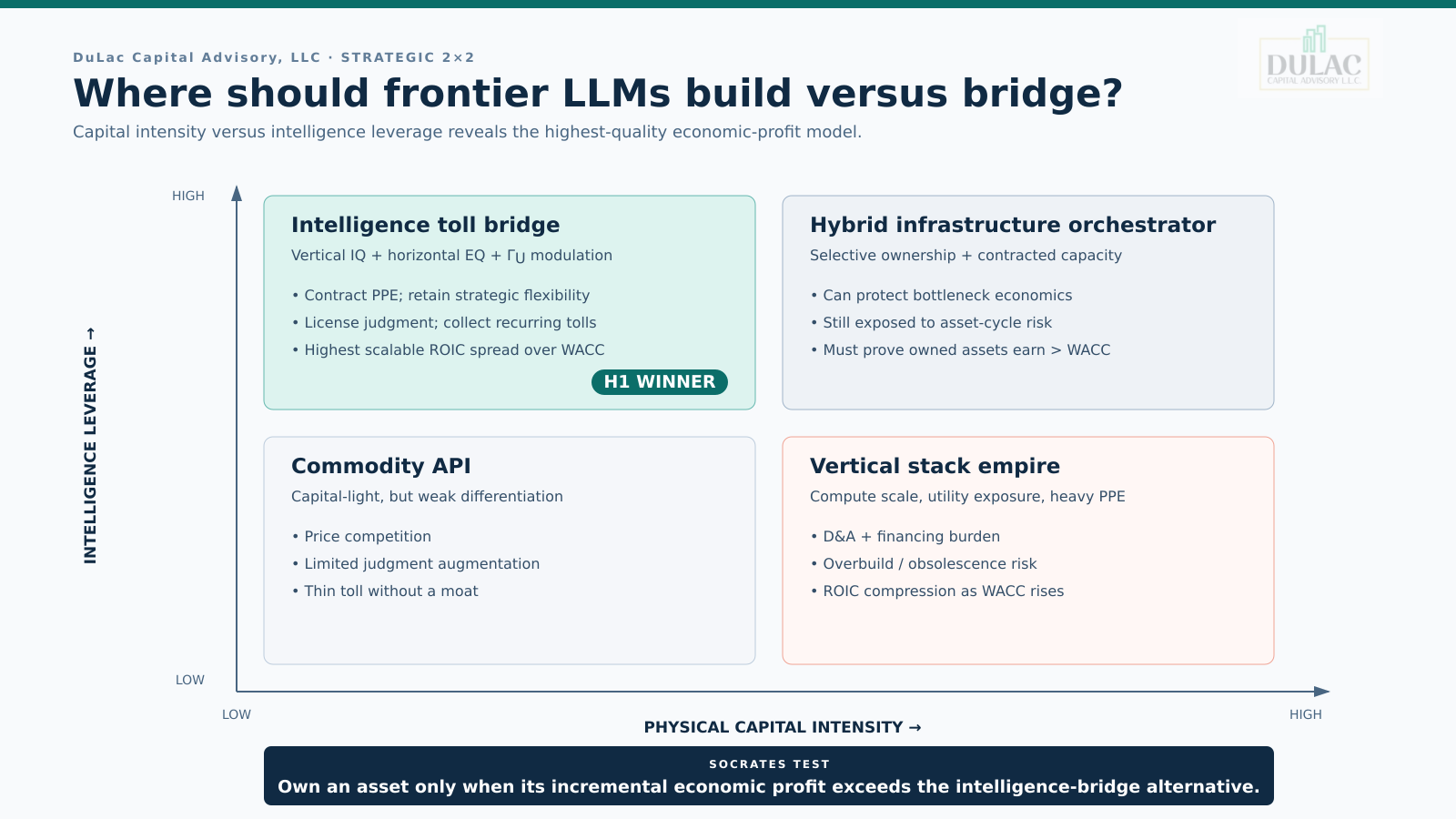
Sigma, Stack, and Socrates
The American Frontier LLM that enables the “Henry Ford Effect” via building intelligence “bridge toll systems” for IQ and EQ royalty rights will win the economies of scale game: Not the American LLM that actually owns the bridge and the power plant for the bridge’s lighting.
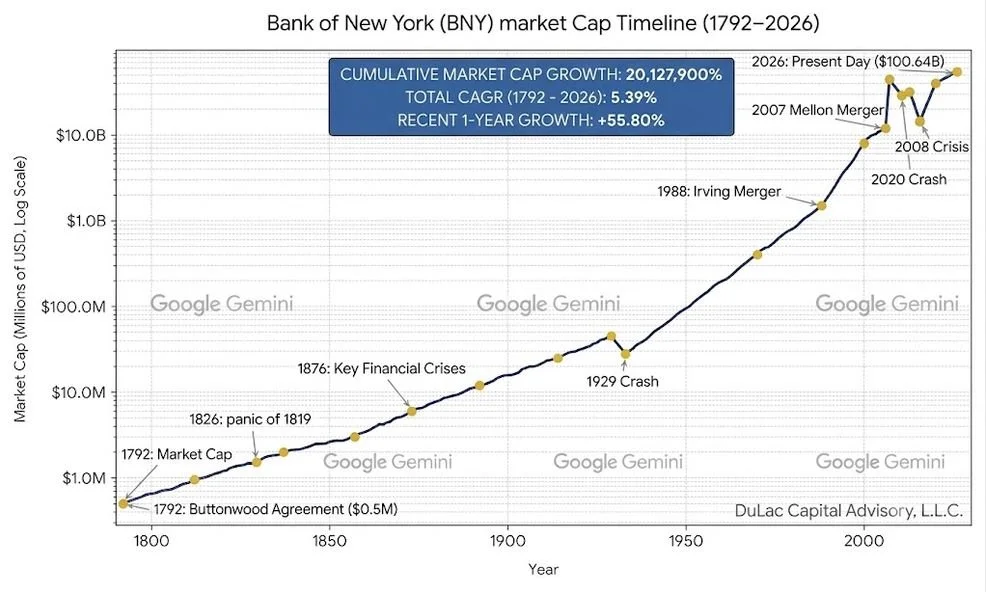
The Hamilton Model— Master Inventor, Master Builder: A Template for Continued Innovation in AI America
Today, America basks in the fruits of Colonel Hamilton’s intelligence, labor, industriousness, grit, and inventiveness. From the New York Stock Exchange to U.S. Treasury Bonds, to America’s Space Industry led by SpaceX and Blue Origin, the enterprising Colonel Alexander Hamilton footprint is evident.
If General George Washington was (and literally laid) the cornerstone to America’s polity and civil society— the first Secretary of Treasury of the United States laid the industrial and financial keystone to America.
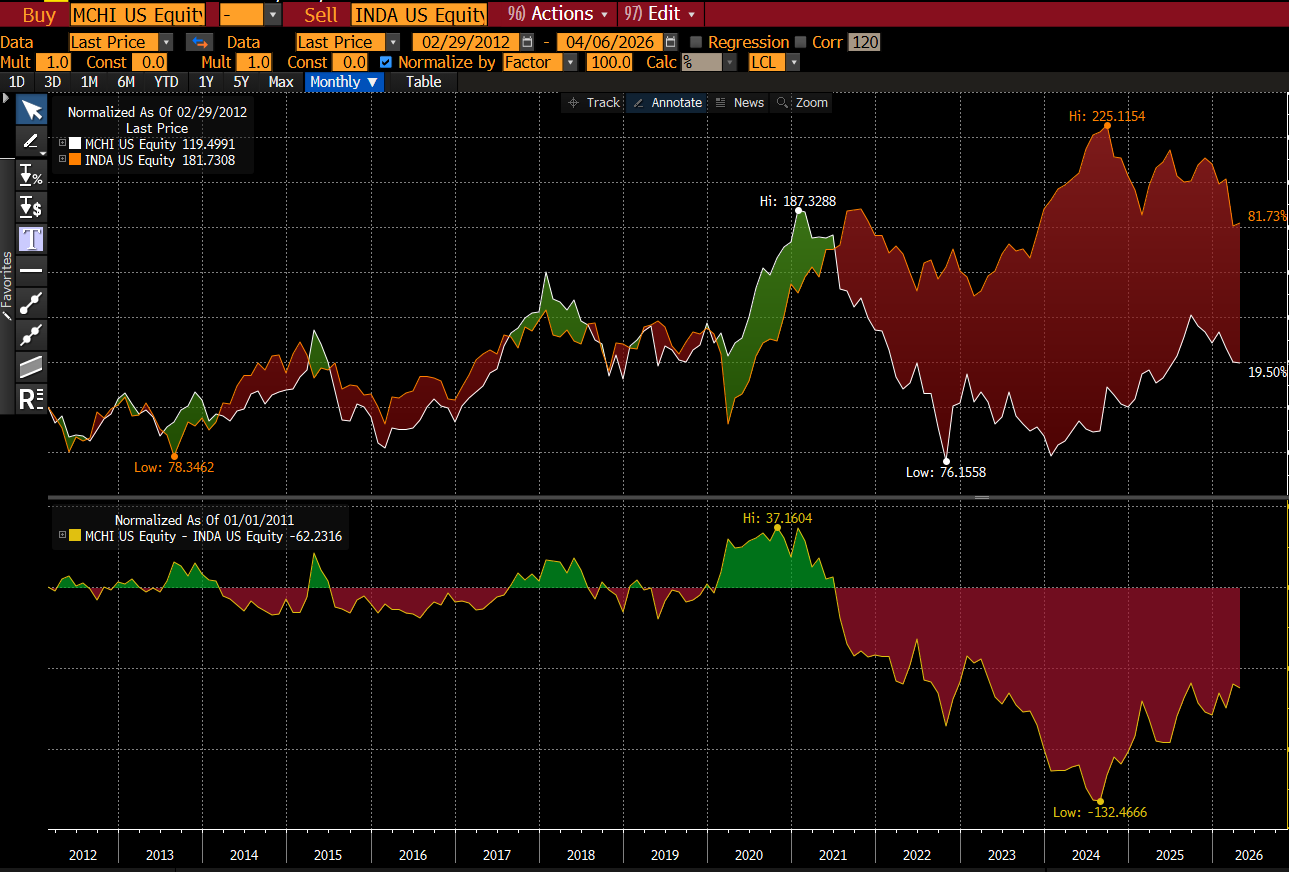
Institutional Investors May Go Long MSCI China (MCHI ETF), and Short MSCI India (INDA ETF) if War Escalates post 7 April 2026
Value with Catalyst for Low Multiple Trading East Asia Cohort: DuLac Capital Advisory L.L.C. projects institutional capital allocators will now start hunting for “value with catalyst” trade themes– ones that combine potential positive beta for a commodity market that is higher for longer, while also pairing that with country exposure that is levered to the AI growth trend. But with a key caveat:
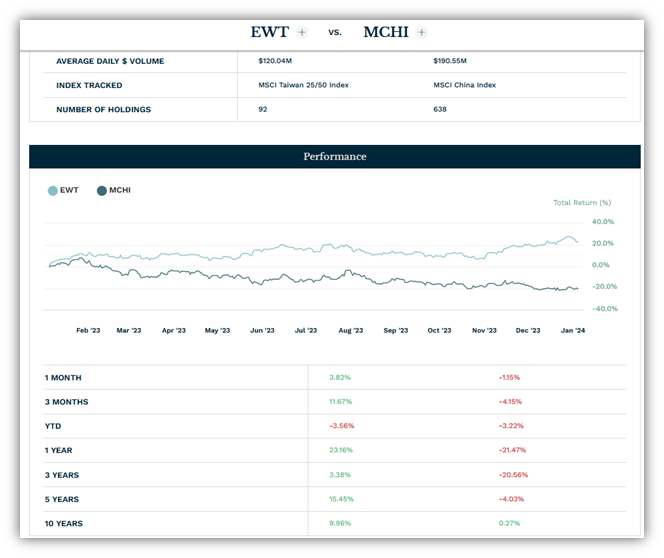
PRC GW Power Capacity Strength: Countries that have grown their GW Capacity with an “all the above” solution set, such as the People’s Republic of China over the last couple of years as the overweight. The PRC has over 3,890 GW of power capacity— much of that developed in the last few years due to its investment in wind/solar.
While country exposures that still struggle with power capacity sovereignty, such as MSCI India, as the main underweights.
Relative Investing for ACWI ex-USA Investors: As opined on 8 March 2026, we are now in a relative game, this year– so investors are right to engage in delta neutral barbell long/short trade ideas for their MSCI Global ACWI ex-USA allocations.
Going long a combination of MSCI Saudi Arabia IMI (capped) along with MSCI China (all shares), and short MSCI India, while moving out of the underweight on MSCI East Asia, may reduce the risk of upside surprise with MSCI EM East Asia (EEMA ETF) cyclical constituents such as Korea and Taiwan may generate.
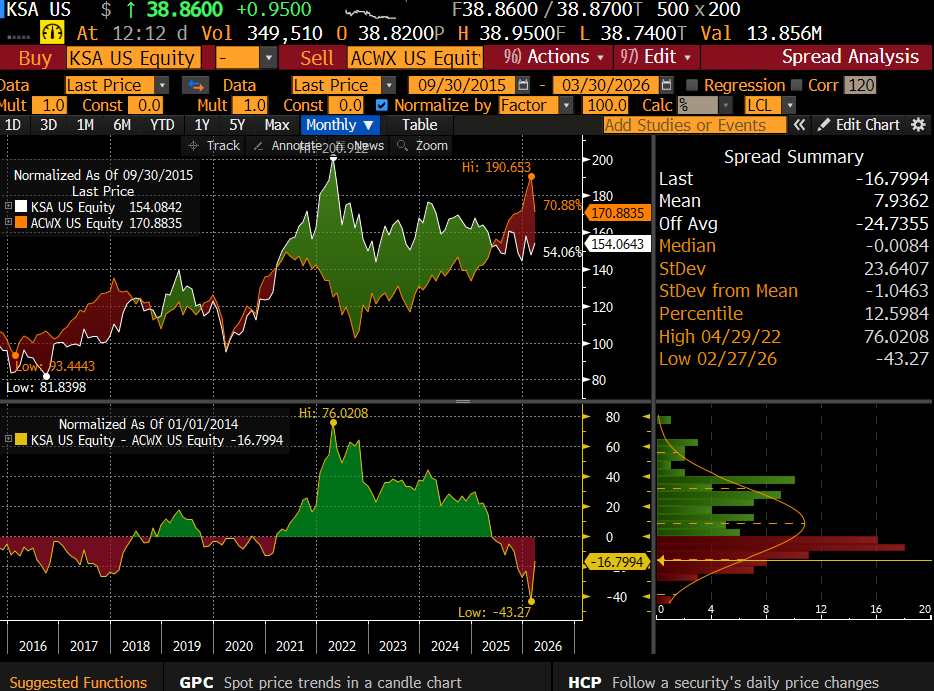
Hedging Mideast “Crash Out” Risk– Update 5: EIS/KSA Barbell Optionality Strategy for MSCI ACWI ex-USA Allocation
Hedging Mideast “Crash Out” Risk– Update 5: EIS/KSA Barbell Optionality Strategy for MSCI ACWI-exUSA Allocation—
DuLac Capital Advisory L.L.C. projects as the market now approaches the “top of the second inning” with the war, that Institutional Investors (pension funds, structurally long asset managers, long only mutual funds, and endowments) will likely hedge their KSA/EIS barbell optionality strategy with a bearish credit put structure on MSCI ACWI-exUSA index products such as iShares MSCI ACWI-exUSA ETF (ACWX), iShares MSCI East Asia EM ETF (EEMA), and Vanguard FTSE All-World ex-US ETF (VEU: FTSE All-World ex US Index).
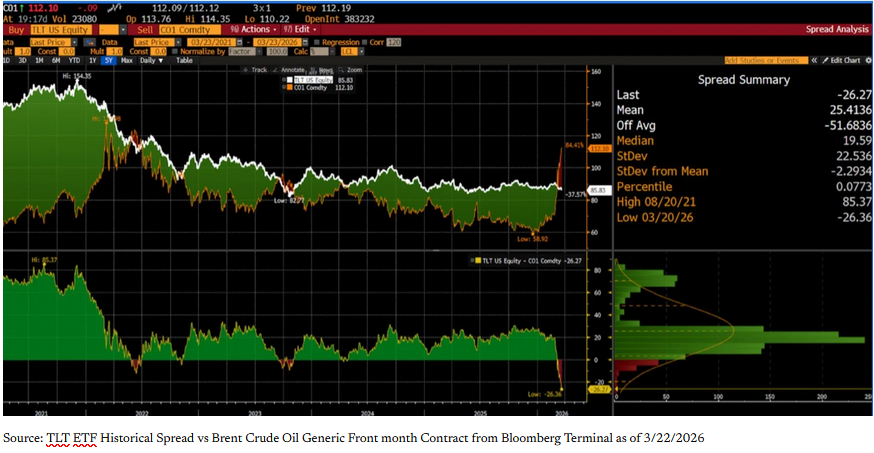
Institutional Fixed Income ETF “Butterfly Barbell” Strategies | TLT, LQD, HYG/ JNK for Mideast “Crash-Out” Risk Optionality (Update Four) – Dulac Capital Advisory
Fixed Income Portfolio Managers are Applying A “Butterfly Barbell” Strategy with Net Option Credit Collars on HYG, LQD (bearish), and TLT— and other index solutions such as CDX HY Series 45-46.
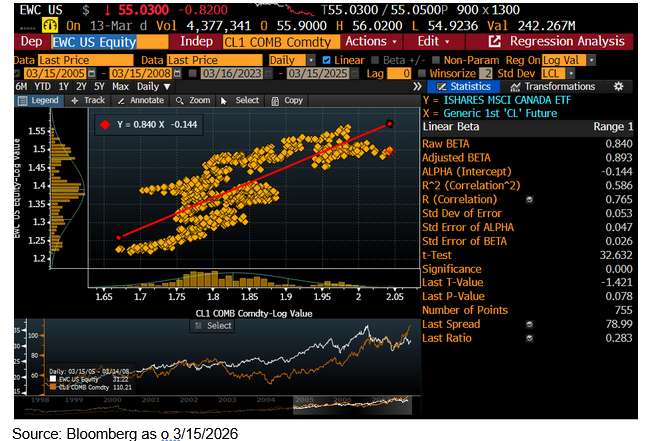
ETF Barbell Strategies for Mideast “Crash Out” Concerns: Update Three— Oh, Canada (BBCA, EWC)
As potential upside energy risk rich DM compliment to their MSCI EM KSA Index exposure, institutional investors may begin adding BBCA or EWC ETFs to barbell strategies to gain optionality during continued Mideast “Crash out” Concerns.

Update– EIS/KSA Barbell Strategy: ETF/Index Maxxing for Beta Management and Optionality during Rising Mideast Energy Supply Chain Disruptions
The Strategy: Last week (3/2/2026-3/6/2026), the EIS/KSA Barbell acted as a volatility sponge vs EM and DM-exUSA. While EEMA and IEUR see margin compression due to energy spikes, the KSA component captures the "scarcity premium" and EIS provides tech-resilience that is uncoupled from the manufacturing supply chain.
The Allocation: Institutional allocators should look to fund this barbell by trimming overweight positions in energy-importing regions (EEMA/IEUR) that have reached a "volatility floor."
Case Study— UAE ETF Liquidity as a Buffer: ETFs like the iShares MSCI UAE ETF (UAE) provided vital liquidity and beta management for institutional investors, even when the underlying local equity markets were closed due to regional kinetic Shaheed drone and missile attacks by the IRGC.
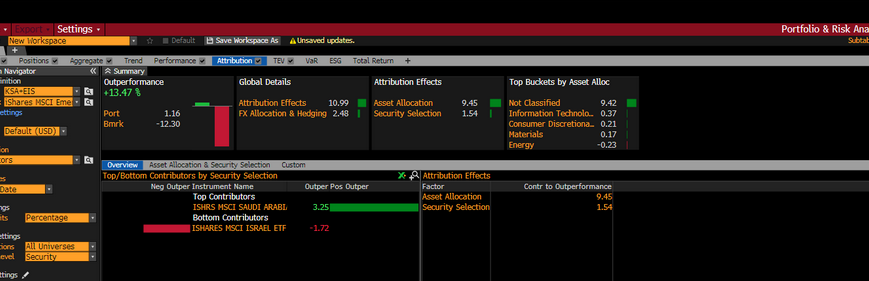
Institutional Investors May Use KSA and EIS ETFs in a Barbell Strategy to Gain Optionality on Mideast “Crash Out” Concerns (Updated 3/31/26—Short Interest, Oil Beta, and Attribution)
A disciplined barbell using options on EIS and KSA ETFs may provide targeted optionality around Mideast “crashout” scenarios while preserving upside participation. Liquidity, options depth, and improved microstructure now support institutional execution.
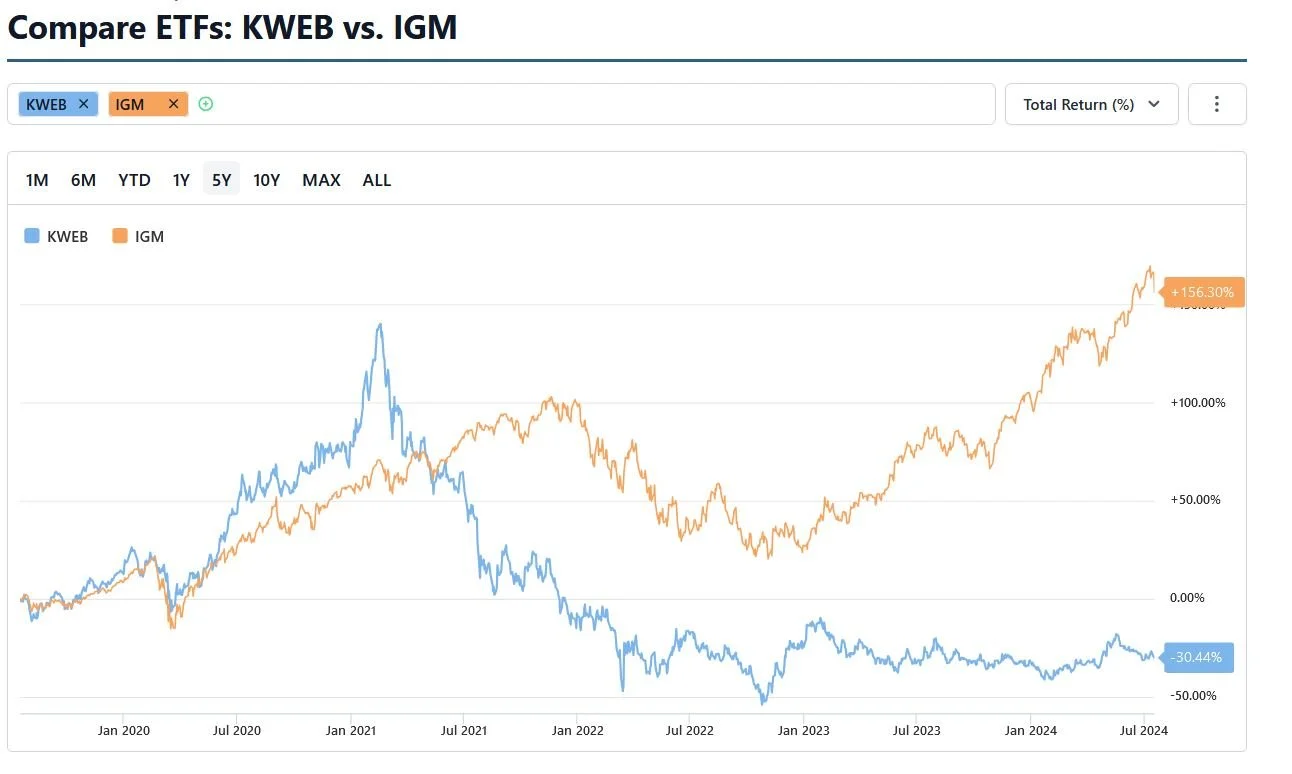
The Evidence is Clear: Pax Americana has Won the “Trade War” for AI & Space Tech Leadership
Seven Years ago the consensus view of the American “Trade War” vs. the PRC aligned Tech & Industrial World launched by President Trump’s admin— with Union worker support— was that it would be a disaster. As of 17 July 2024, the Verdict is In: the U.S. Tech Industry is now up 20% more per annum (and even greater on a risk-adjusted basis) than the PRC Tech Industry.
Since President Trump’s miraculous survival, and the noble Fire Chief’s brave sacrifice to save lives, on 13 July 2024— USA Value has caught a bid now as well. This indicates that the Market is learning to price in the potential “Trump Tariff Risk factor” as actual positive Gamma, rather than costly Vega expansion.
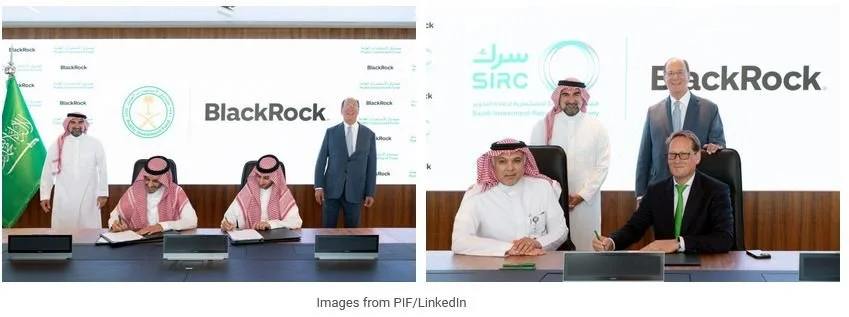
The Anglo-American Free Enterprise Model have Unleashed Innovation in Eastern Europe & KSA
DuLac Capital Advisory L.L.C. estimates there should be significant optionality gained by institutional investors that seek to take on the investment “P&C” floor that the Reagan-Bush Doctrine enabled within Eastern Europe post Berlin Wall fall— as long as those Eastern Europe countries agree to the principles of Anglo-American Free Enterprise and civil liberties and due process rooted in the Magna Carta.
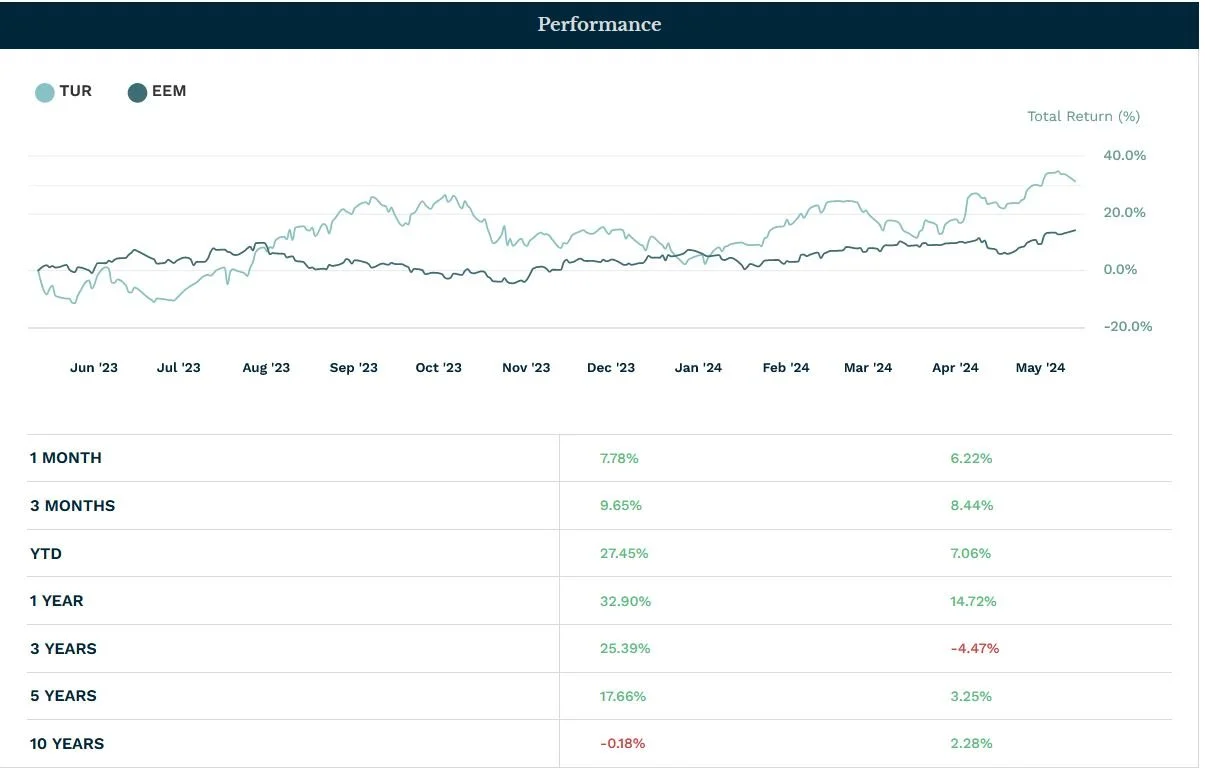
Turkey Tantrum— Institutions May Start Taking “Chips off the Table” for MSCI Turkey Index Exposure
Institutions may consider it’s time to reduce risk to a potential (MSCI) “Turkey Tantrum” as President Erdogan posits BDS vs Israel, continues friction with the Kingdom of Saudi Arabia, and oscillates in its relationship with a sovereign Ukraine.
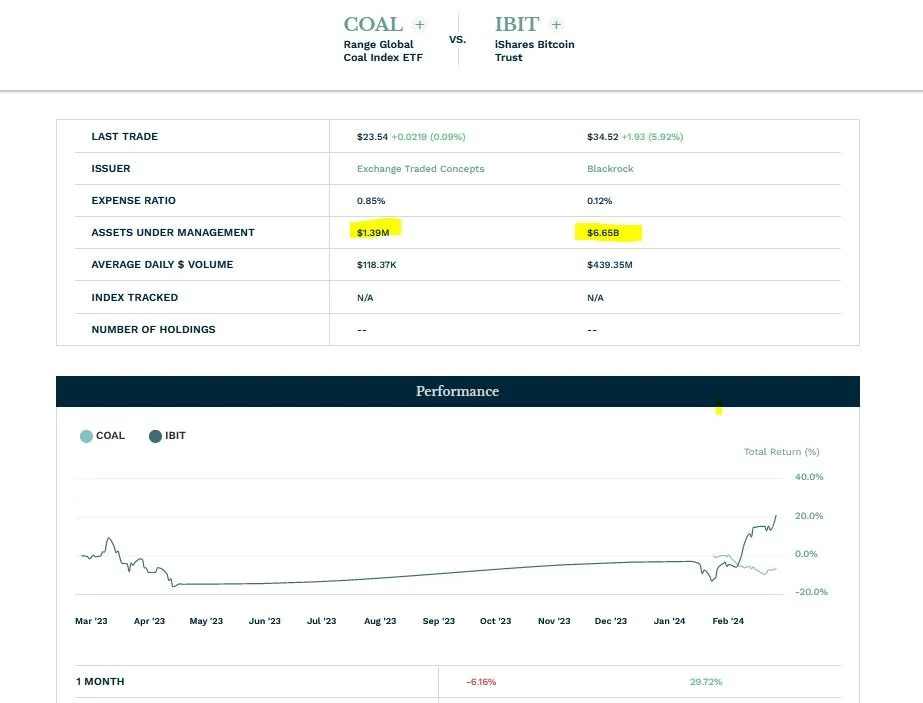
From Coal Mining to Crypto Mining— Crypto Investing, AI Adoption, and Chip Production in light of Risks to American Energy Independence
Due to the high electricity demands for the AI+Chip+Crypto Ecosystem, it is likely America’s push to Net Zero Transition—especially with its attempt to dominate the AI Ecosystem—will likely stumble without re-considering up-weighting the use of Fossil Fuels within the nation’s mixed energy portfolio.
DuLac Capital Advisory L.L.C. thinks most institutional investors are currently not positioned then for the investment portfolio allocation implications for this scenario as well.
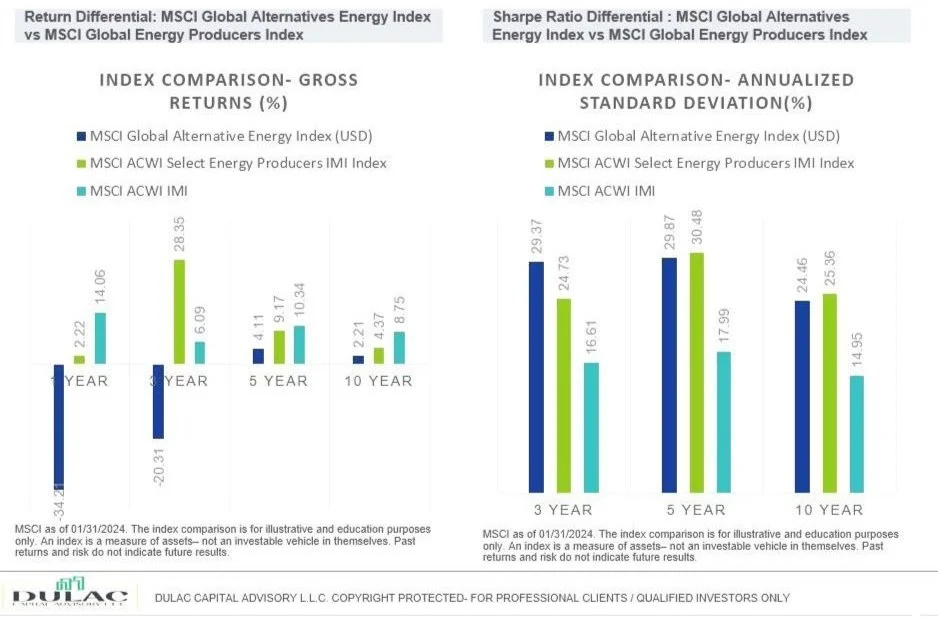
“Tragedy of the Net Zero Commons”— Identifying Investment Risk Factors and Hedging Opportunities
DuLac Capital Advisory L.L.C. projects there will be growing fragmentation of public policy Energy Ecosystems in the United States—as each region ends up grappling with their own native energy demands, natural resource blessings, and unintended civic society consequences as global Net Zero Transition policies manifest themselves at the local level.
The first two months of 2024 have provided some very interesting fodder for the debate between how much American capital should be forced by public policy fiat or explicit investment mandate to support DC’s commitment to the UN’s “Transition to Net Zero.” What portion that solar/wind/hydrogen should play in capital allocation—and what may impact their respective ROIC favorability—has become the $100 Trillion question.
Crouching “DEIger” Hidden ESG Dragon: is ‘Collectivist Stakeholder Capitalism’ the next Enron or Growth Engine?
Does the difference between Shareholder Capitalism and Stakeholder Capitalism matter?
DuLac Capital Advisory L.L.C. thinks the momentum behind the ESG-DEI backlash will bleed through to legal risk for corporate calls of “Stakeholder Capitalism” that have stated social goals do not interfere with shareholder profits.
The dispersion of “ESG-DEI” scores, let alone divergence of views of their legality within Public Market investing bound to fiduciary standards, creates a ripe opportunity for activist investors— and forewarning to policymakers answerable to taxpayers.
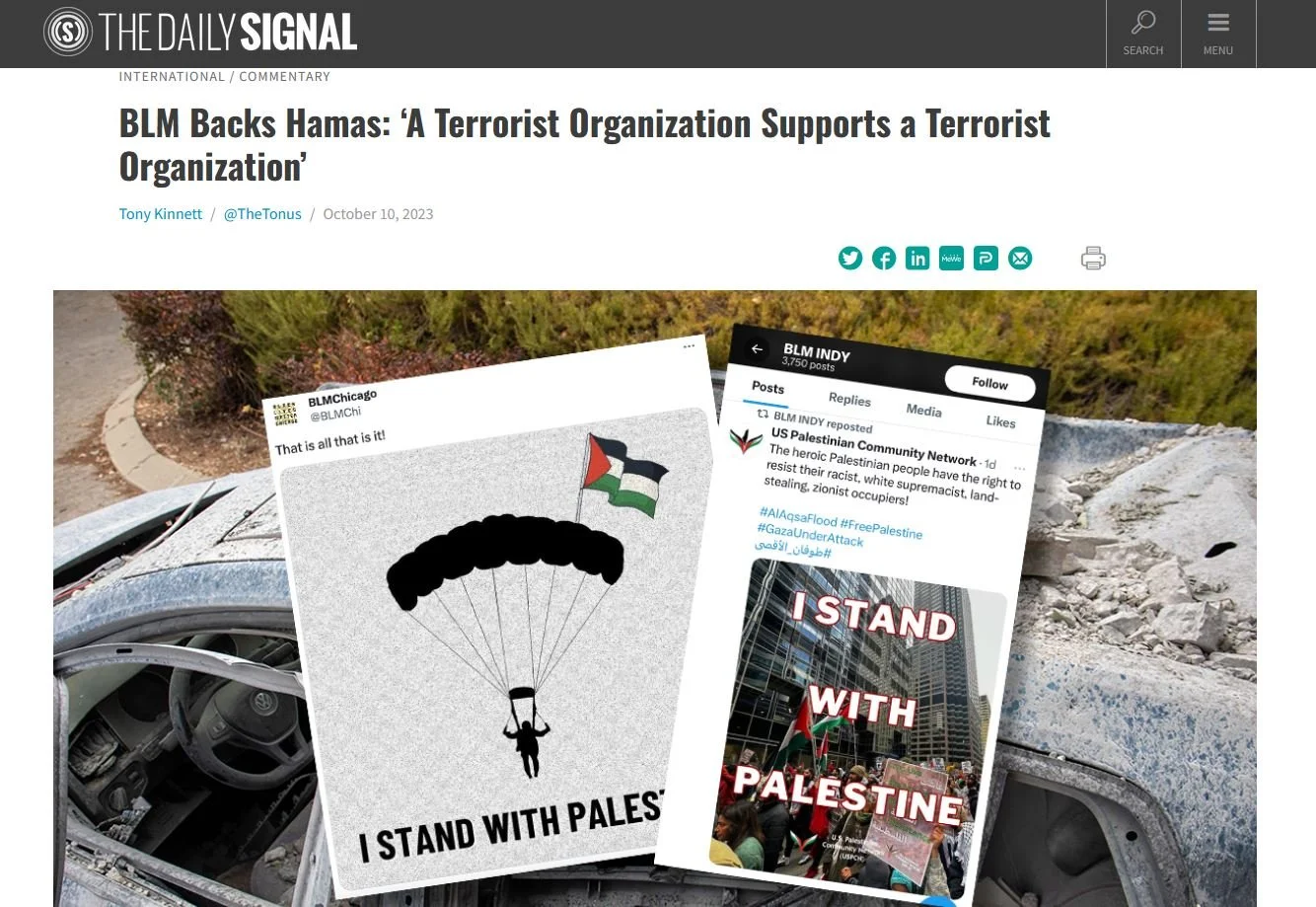
American Governors may Activate National Guard to Protect Jewish Students and Supporters of Israel’s Right to Exist next to Peaceful Palestinians from Hostilities at ‘Universities’
Using the Constitutional precedent set by General Eisenhower to enforce the law, DuLac Capital Advisory L.L.C. believes that American State Governors must activate their National Guards and deploy them to College Campuses to protect Jewish Students/Staff and other Americans who support Israel’s right to exist next to peaceful Palestinian territories from unconstitutional Hostilities.
State National Guards exist to respond to local crises that may spark disorder: the crisis of Antisemitism is now— ADL reports 388% increase in attacks against people that support Israel’s right to exist since 7 October 2023.
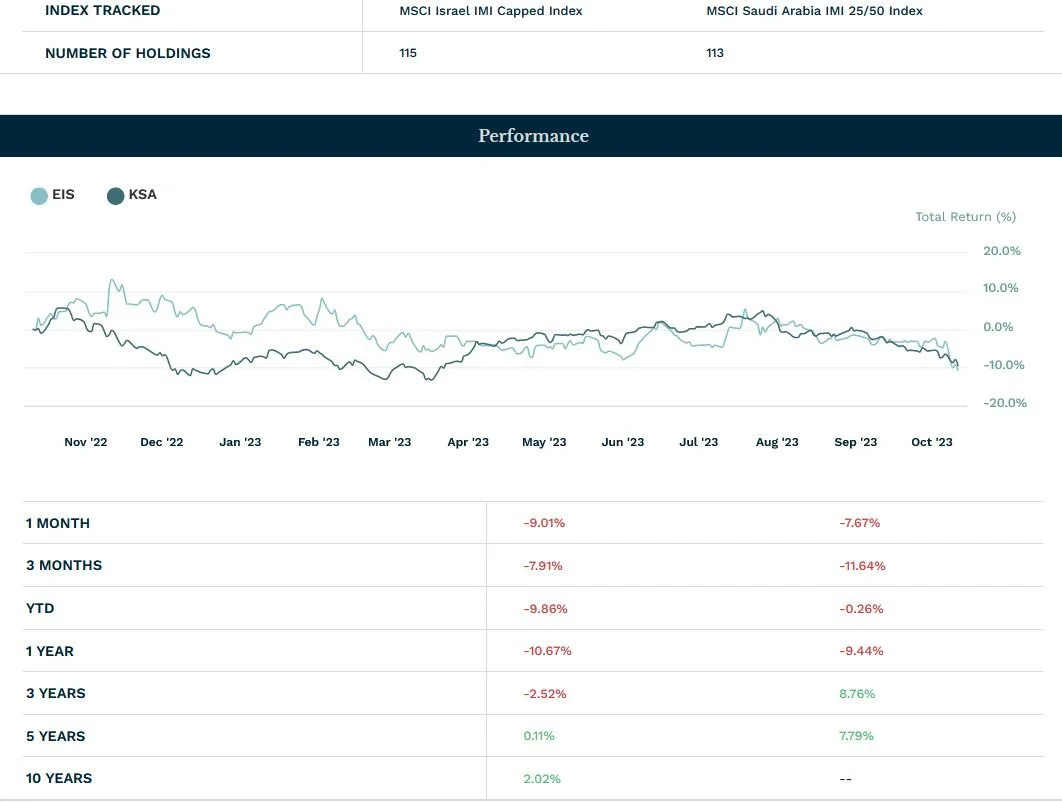
American Institutional Investors May go "Long" Israel, and "Short" Potential OFAC Event Risk from Anti-Israeli Entities
DuLac Capital Advisory L.L.C. developed a strategy to divest and hedge investment portfolios from countries, companies, and charities that implicitly support Anti-Israeli entities such as Hamas: the White House, UK Gov’t, and Jewish Federation have produced evidence that Hamas is a modern day Nazi organization masquerading its lynchings in a cloak of delusional religious rhetoric. DuLac Capital Advisory L.L.C. believes fiduciaries must weigh potential underpriced OFAC event risk regarding their Mideast beta exposure.
Will ESG end up in the Ash Heap of History?
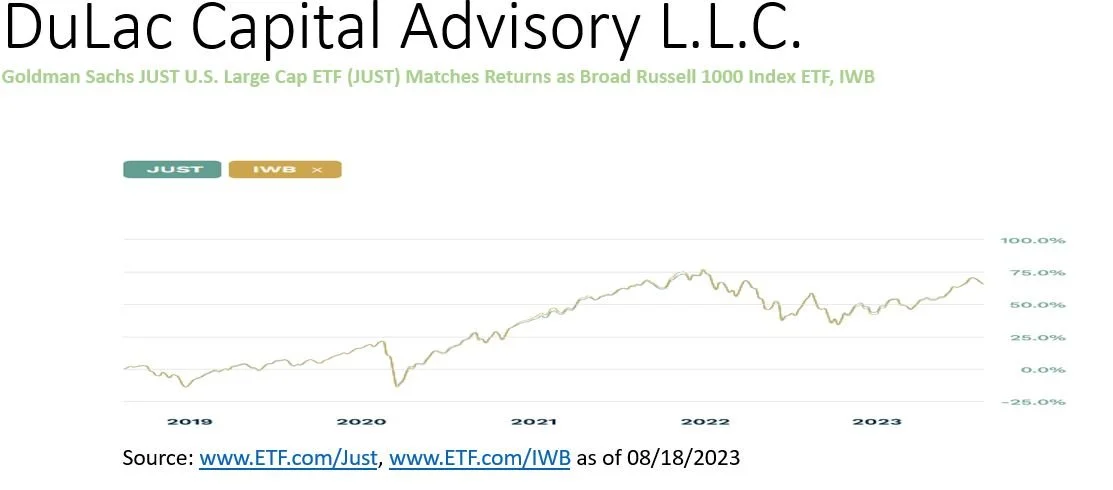
IWB is the industry leading indexed based Russell 1000 ETF with $30 Billion AUM and significant trading volume of over $100 Million/day. DuLac Capital Advisory L.L.C. shows that despite the similar performance and the association with more positive ESG/sustainable investing goals, it doesn’t seem investors in IWB “traded in their chips” for the ESG version by too much: JUST ETF AUM is $271 Million (source: ETF.com as of 08/18/2023).
In the end, whether a “COSTCO shopper” wants to buy Maryland crabs or Florida lobster, should be up to them. Likewise, whether an investor wants to adopt the JUST Capital Index or maximize exposure to Chemical companies, should be their discretion as long as their investment thesis is data driven.
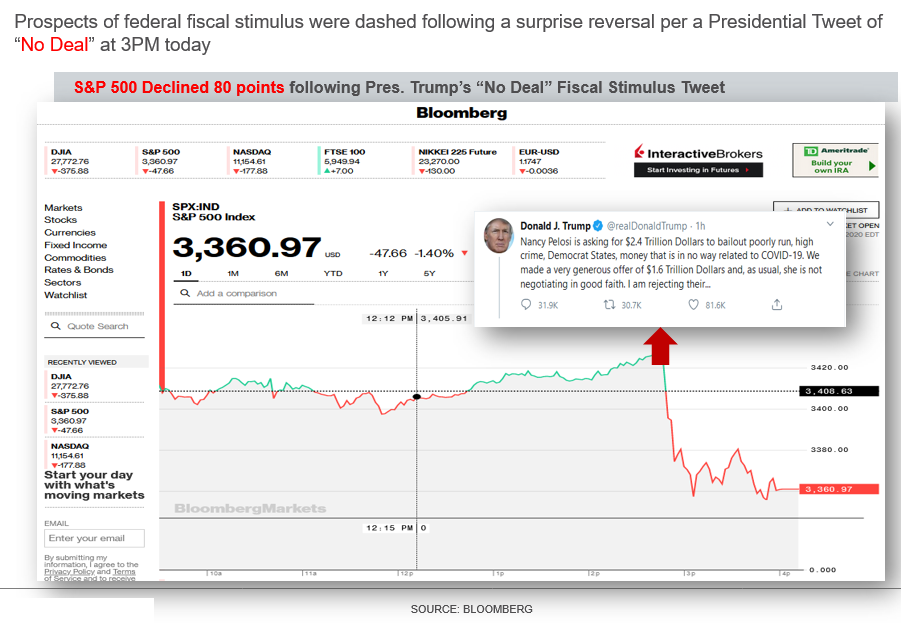
Wall Street Redemption— 9 Ideas for Helping America Sustain and Recover from the Pandemic
When Ryan Scott was on medical leave battling covid-19 at BlackRock, he wrote a memo to Wall Street and Policymaker stakeholders in 2020 during the peak of the covid-19 pandemic on tangible, results-oriented policies that they should work to implement to help Main Street America overcome the high pandemic hurdles.
The ultimate aim of this Memo was to identify and summarize the best market-based economic solutions that could achieve broad bi-partisan support, and thereby also reduce the risk of severe public backlash, which was experienced post- 2008 financial crisis policy actions.
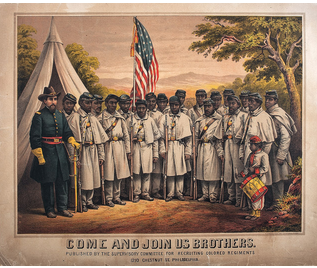
Seat at the Table: Including our Veterans to Rebuild Civil Society
As an heir to a Civil War Veteran, Ryan Scott of Notre Dame and Columbia Business School believes corporate America and policymakers are duty bound to equip Veterans with the tools needed to enable self-empowerment: teach a man to fish, he’ll eat for a lifetime. Doing so requires actively including Veterans to a Seat at the Table— such initiatives are often times forgotten about in company’s standard DEI and symbolic Veteran inclusion efforts. It’s time to change that— Semper Fei.
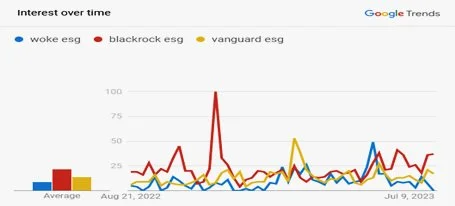
“Regionalizing” Impact Investing to Support a Just Society
Examining the political football of ESG based on the tale of two governors can provide institutional fund managers and policy makers a prism through which to view the trajectory of ESG investing…